What Sustainability Conversations Have Been Teaching Me Lately
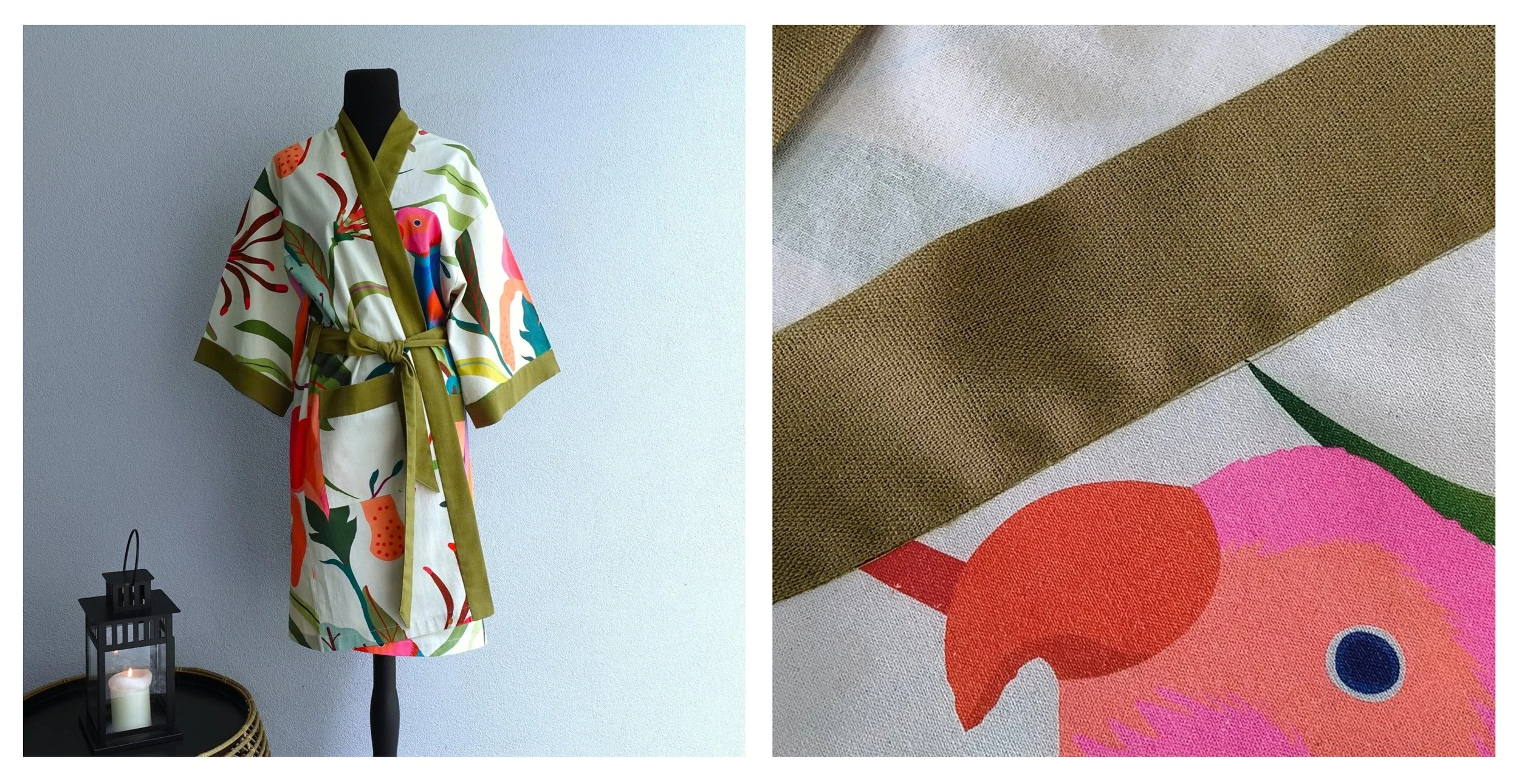
One of the things I love most about sustainability meetups and panel discussions is how honest and curious the conversations tend to be, especially when assumptions get challenged in thoughtful ways. They rarely end with perfect answers, but they often leave me with better questions. And honestly, that feels like progress.
Here are a few moments that stayed with me recently.
“Wait…100% recycled cotton?”
When I shared that I was making robes from 100% recycled cotton, a few people genuinely didn’t believe it was possible, even after I repeated the “100%” part several times.
I get it. Many of us have seen vague sustainability claims or greenwashing, so scepticism is understandable. But it reminded me how much trust still needs to be rebuilt around recycled materials, and how important transparency is if we want people to believe better options are actually possible.
Does price really equal quality in clothing?
Someone raised a great question:
If a $50 or $100 t-shirt doesn’t last five or ten times than a $10 one, what exactly are we paying for?
I went down this rabit hole myself years ago and eventually learned to sew. That helped solve some things - I could choose better fabrics, reinforce weak points, and avoid unethical labour practices (since I became the garment worker). But sewing own clothes is a privilege, not a scalable solution.
Honestly, I still don’t have a system-level answer. But I think this is exactly the right question to keep asking if we want to reduce textile waste meaningfully.
Why I manufacture offshorte, and how I choose partners
As much as I’d love to manufacture garments in Australia, large-scale apparel manufacturing infrastructure largely no longer exists here. So instead of focusing purely on geography, I prioritise ethical practices and transparency.
That’s why I visited factories in person. Seeing conditions firsthand matters more to me than labels or marketing claims. It’s not perfect, but it’s the most honest option I have right now.
Reducing impact where I can
Since production happens offshore, I try ro reduce environmental impact elsewhere. One example is using DHL GoGreen Plus, which supports lower-emissions aviation fuel rather than just carbon offsets. It’s not a silver bullet, but it’s a step in the right direction.
There are no perfect answers here. Just learning, questioning, adjusting and trying to move forward thoughtfully.
And honestly, that’s what makes sustainability conversations so valuable, not the certainty but the willingness to sit with complexity and keep improving.