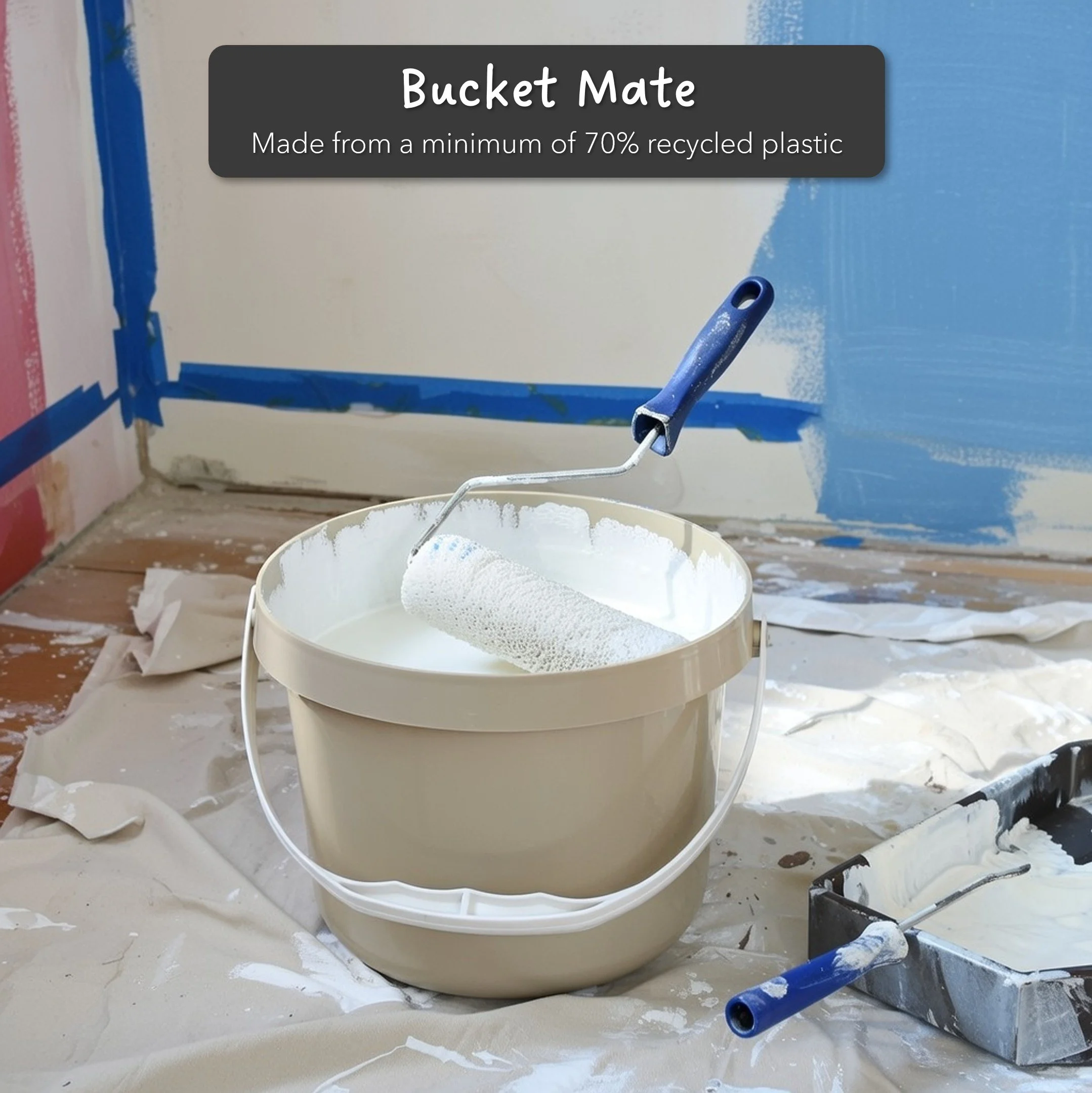
Why Recycled Plastics Deserve a Seat at the Sustainability Table
I’ve noticed that many sustainable retail spaces focus heavily on “plastic-free” products, and I completely understand why. Reducing unnecessary plastic, especially single-use items, has been hugely important in shifting consumer behaviour and awareness.
But from a systems and materials perspective, I think this framing can sometimes be too narrow.
What Sustainability Conversations Have Been Teaching Me Lately
At sustainability meetups, I keep hearing the same honest, uncomfortable questions: Can recycled materials really perform? Does higher price actually mean better quality? And how do we balance ethics, impact, and practicality in real-world production? This post shares a few conversations that challenged my assumptions — and reminded me that progress in sustainability rarely comes from perfect answers, but from better questions.
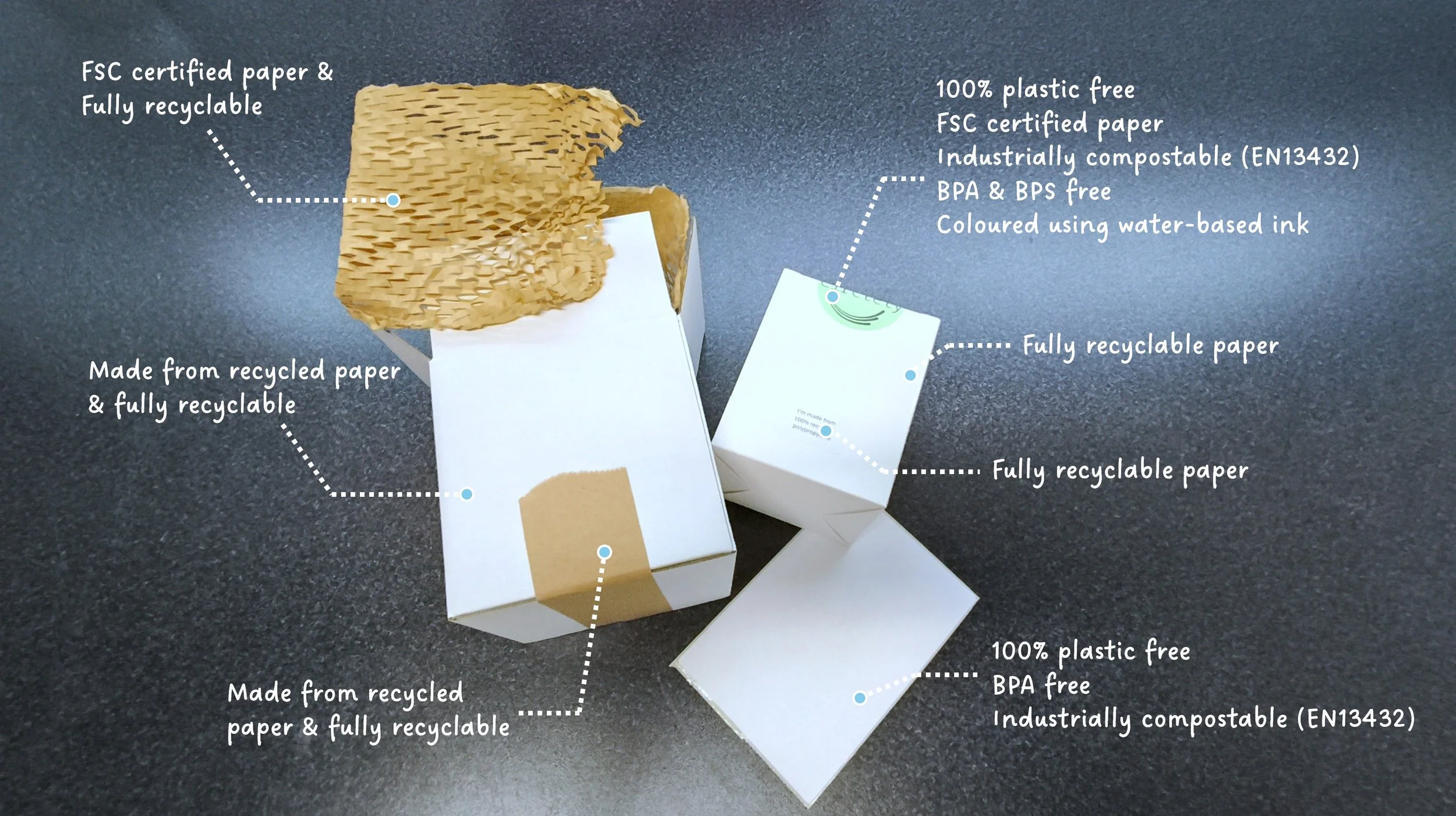
Designing Packaging for the Real World (not the Ideal One)
Sustainable packaging isn’t about perfection. It’s about designing for how people actually recycle in the real world. At Circlely, I prioritise paper-based, easy-to-recycle packaging and continuously improve where better options become available. Progress bests perfect.
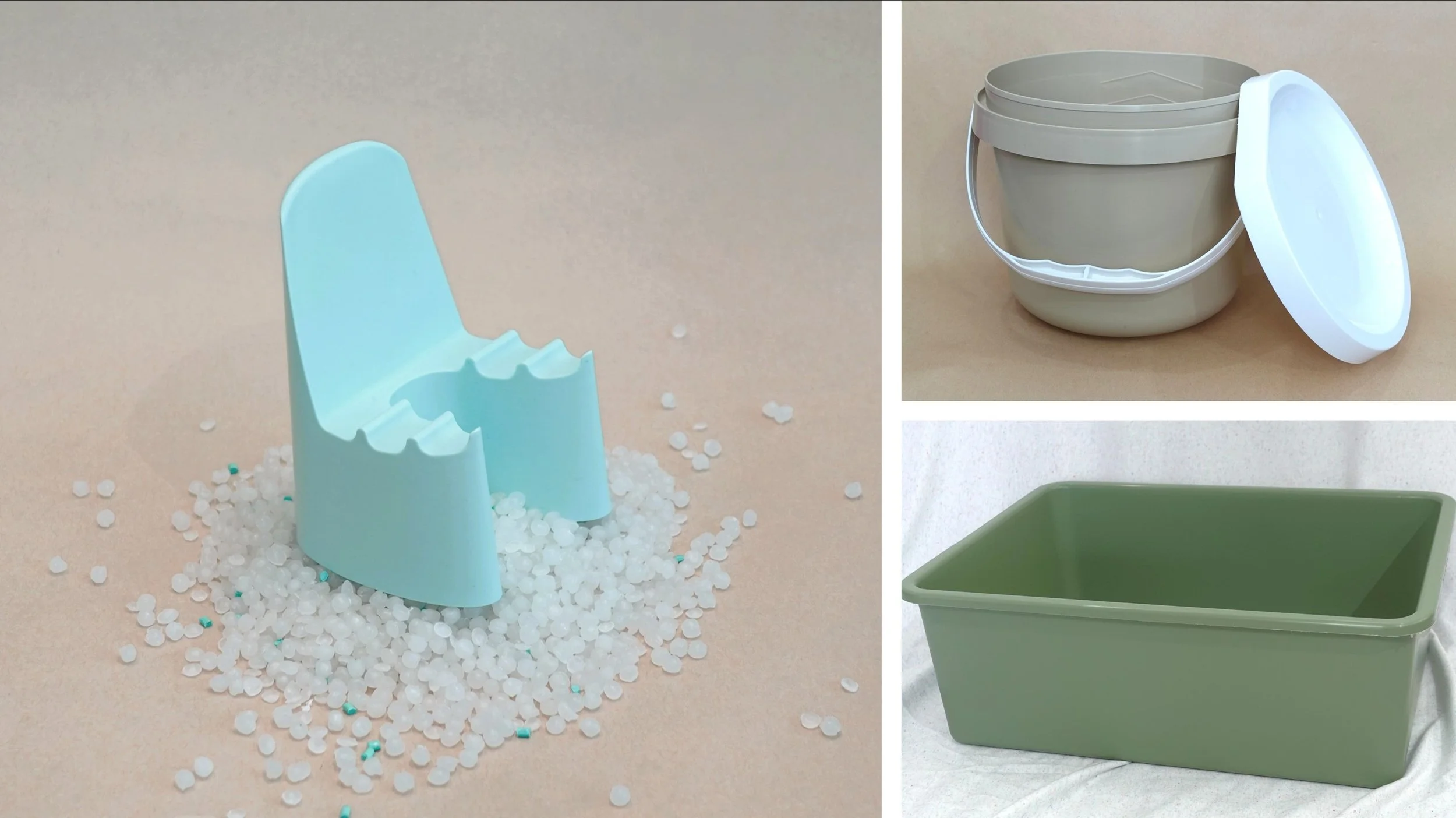
Sustainability isn’t about “100%” - It’s about getting it right
True sustainability isn’t about maximising recycled content at all costs. It’s about using the right material, in the right application, while still meeting performance, safety, and durability requirements. That balance is what allows circular products to scale — beyond niche solutions and into everyday life.
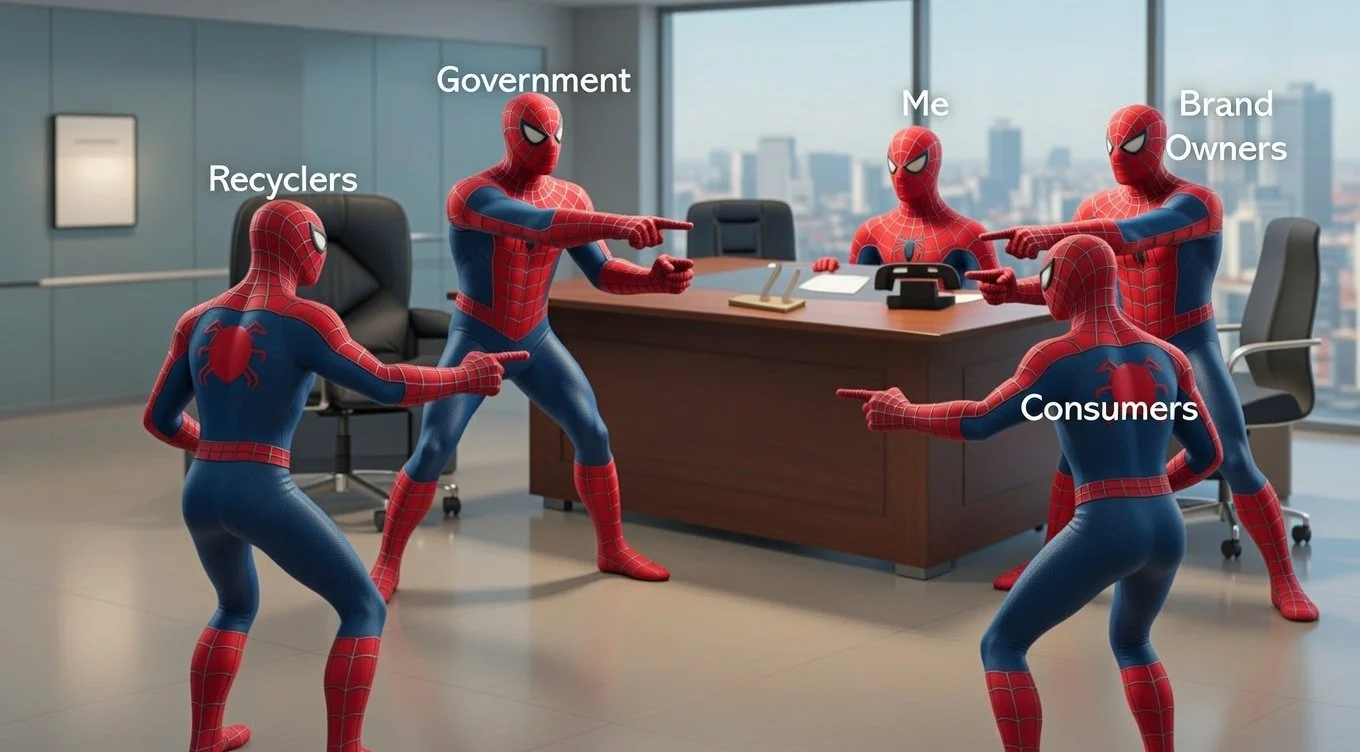
The Waiting Game in Recycling and How We Move Forward
In working on products made from recycled materials, I’ve noticed a recurring pattern: everyone is waiting for someone else to move first.
Sustainability isn’t about perfection. It’s about better choices.
Sustainability is often framed as an all-or-nothing pursuit. Ideally, we should avoid using resources altogether. In fact, “avoid” sits at the top of the waste hierarchy for good reason. But in reality, avoiding use entirely isn’t practical. We need clothes. We need products. We need tools for daily life.
The more useful question is not whether we should use things, but how we choose to make and use them.
Sustainability isn’t about perfection
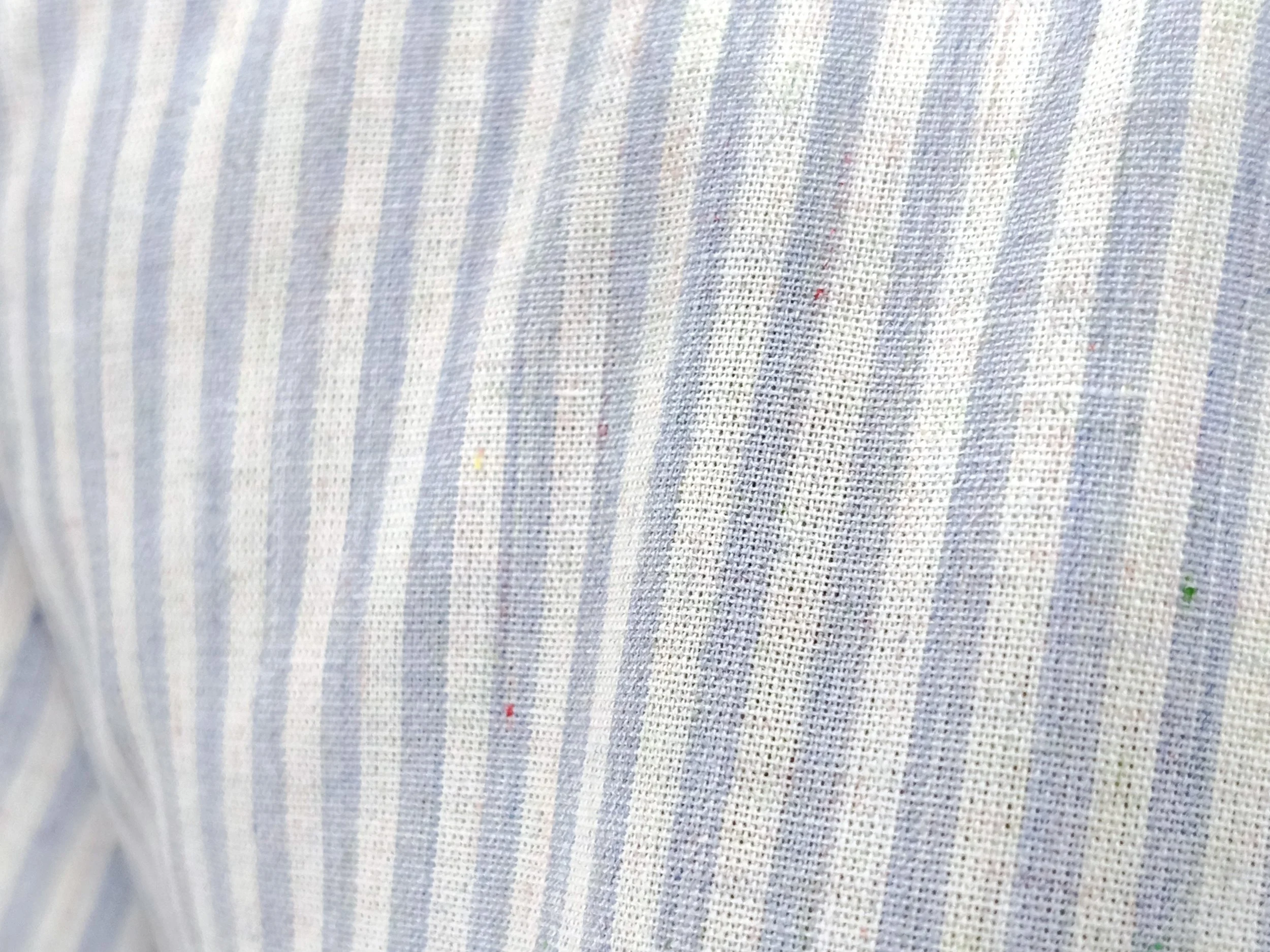
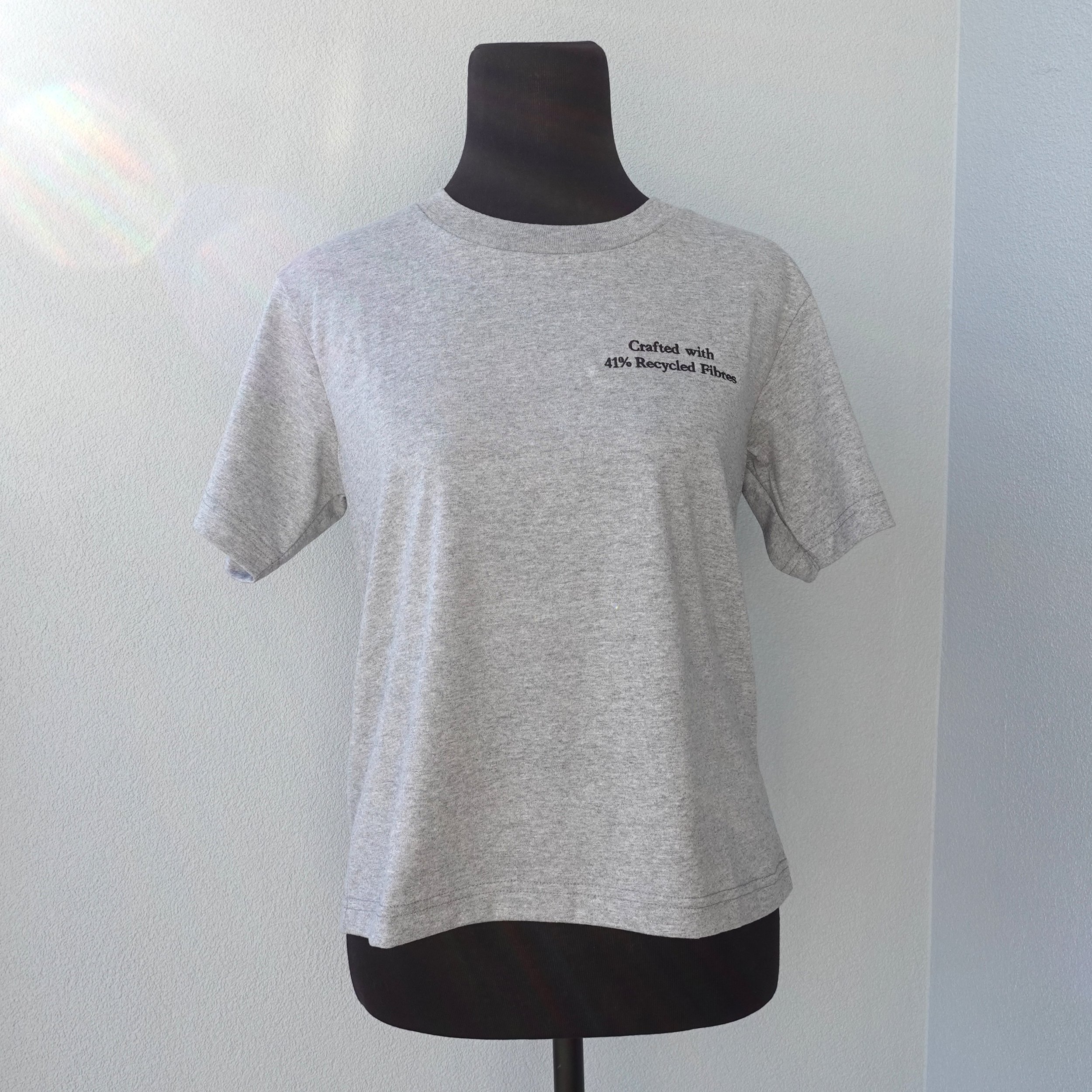
Sustainability is rarely perfert…and that’s the point. Philosophically, it’s about balance over extremes. Literally, recycled fibres can create subtle colour variations and visual imperfections that reflect their recycled nature. By using 41% recycled fibres, we prioritise durability, performance and longevity…because lasting products are better for the planet.